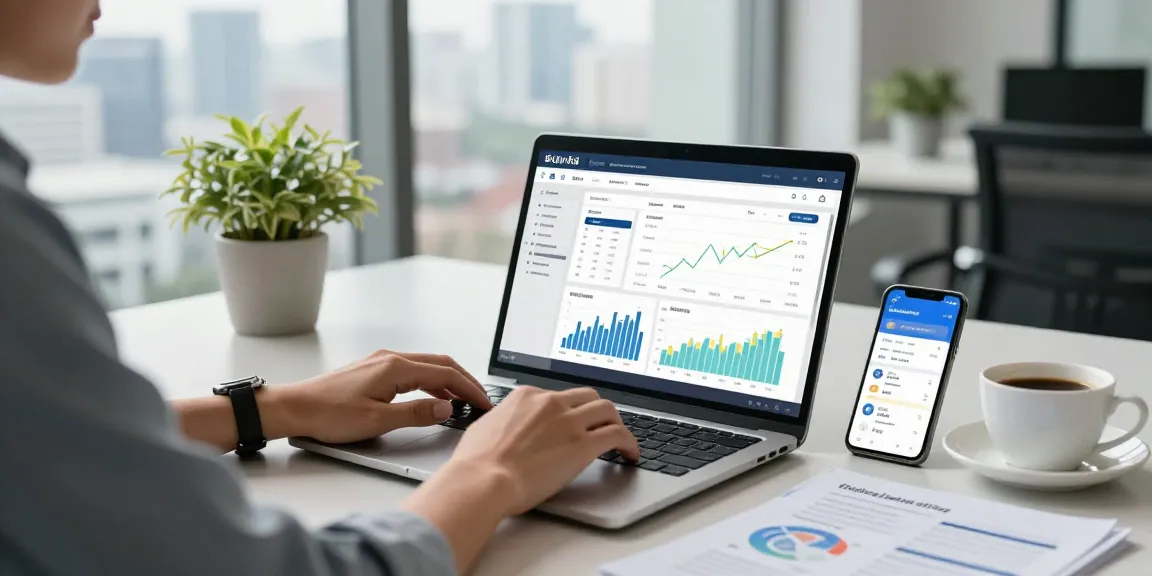
Understanding the Importance of Checking Financial Status
In today’s complex financial landscape, understanding and checking your financial status is vital. Regular assessments allow individuals to stay informed about their financial health, make educated decisions, and plan for the future. When exploring options, cek di sini can provide comprehensive insights into your financial standing, facilitating better management of resources.
Why is it Crucial to cek di sini?
Checking your financial status is not just about knowing how much money you have. It's about understanding your financial situation as a whole. This includes assessing debts, income, savings, and investments. Regular checks can help identify potential problems before they escalate and can even highlight opportunities for growth and investment.
- Prevent Overdrafts and Debt Accumulation: Regularly checking your accounts can prevent unintentional overdrafts and help manage debts prudently.
- Enhance Financial Literacy: Being aware of your financial situation increases your understanding of personal finance.
- Strategic Planning: Regular financial assessments can inform budgeting and investment strategies, ultimately leading to better financial outcomes.
Common Financial Misconceptions
Many individuals fall prey to misconceptions regarding their financial status. One common myth is that checking financial status is only necessary for those facing dire financial straits. On the contrary, everyone can benefit from regular financial assessment, regardless of their situation.
Another misconception is that monitoring finances is too time-consuming. However, with the advent of various tools and apps, checking your financial standing has become simpler and faster.
User Intent Behind Financial Checks
The user intent behind financial checks varies widely. For some, it is about staying on top of personal finances, while for others, it might be a way to prepare for significant life changes like buying a home or starting a family. Understanding the reasons behind these checks can help tailor financial advice and streamline the process.
Tools and Applications for Checking Financial Information
Best Mobile Apps to cek di sini
The digital age has ushered in numerous applications designed to make financial checkups easier. Here are some notable apps:
- Mint: This app offers budgeting tools and a comprehensive view of your financial status.
- YNAB (You Need a Budget): Focuses on proactive budgeting, helping you allocate your income effectively.
- Personal Capital: Great for tracking investments and understanding net worth.
Web-Based Solutions for Financial Monitoring
In addition to mobile applications, various web-based platforms offer robust tools for tracking financial health. Websites like Credit Karma provide free credit score checks and personalized recommendations, while Bankrate offers a suite of calculators and financial planning tools.
Real-time Data Access Methods
Accessing real-time financial data has become more feasible with advancements in technology. APIs from financial institutions typically allow for secure data retrieval, making real-time monitoring possible. Understanding how to utilize these technologies can significantly benefit users seeking to keep their financial statuses updated.
Best Practices for Financial Health Management
Strategies for Accurate Financial Monitoring
To ensure accurate financial monitoring, establish a routine check-in schedule. This could vary from weekly to monthly, depending on your financial activities. Utilize financial tools effectively, and always keep records organized to facilitate easier checks.
Common Mistakes to Avoid When Checking Your Status
Many people make critical errors during their financial assessments. A prevalent mistake is neglecting to factor in all sources of income or failing to update expenses regularly. Another mistake is overlooking the impact of small, recurring charges that can accumulate over time.
Leveraging Insights for Better Financial Decision Making
Once you have a clear understanding of your financial health, use these insights to make informed decisions. This could involve reallocating investments, adjusting budgets, or considering new savings strategies. The information gleaned from regular assessments can be instrumental in planning for future financial goals.
Case Studies: Real-Life Applications of Financial Checks
Success Stories from Users Who Cek di sini Regularly
Numerous individuals have benefited from regularly checking their financial status. For example, a young professional used budgeting apps to track expenses and successfully paid off student loans two years ahead of schedule. Such success stories emphasize the power of regular financial scrutiny.
Analyzing Financial Trends Through Application Use
Data from users of financial apps often reveal broader trends. For instance, many users have reported increased savings rates after implementing budgeting tools into their routine. By analyzing these trends, developers can enhance app features to promote better financial habits.
Lessons Learned from Financial Data Mismanagement
On the flip side, financial mismanagement can lead to dire consequences. For instance, a small business owner neglected to monitor cash flow and faced bankruptcy. Regular checks could have identified issues early on, allowing for corrective measures.
Future Trends in Financial Health Monitoring
Emerging Technologies in Financial Tracking for 2026
As we look toward the future, technologies like artificial intelligence and machine learning are set to revolutionize financial tracking. These advancements can offer personalized insights and predictions, making monitoring more intuitive and user-friendly.
Predictions for User Experience Enhancements
Enhanced user experiences will likely feature more integration between financial apps and everyday banking. Expect seamless transitions between budgeting, investing, and saving features, allowing users to manage finances holistically.
How to Prepare for Changes in Financial Checking Practices
Preparing for these changes involves staying informed about new tools and technologies. Engage with financial communities online to gain insights and share experiences. Keeping abreast of industry trends will ensure you adapt your financial management practices effectively.