
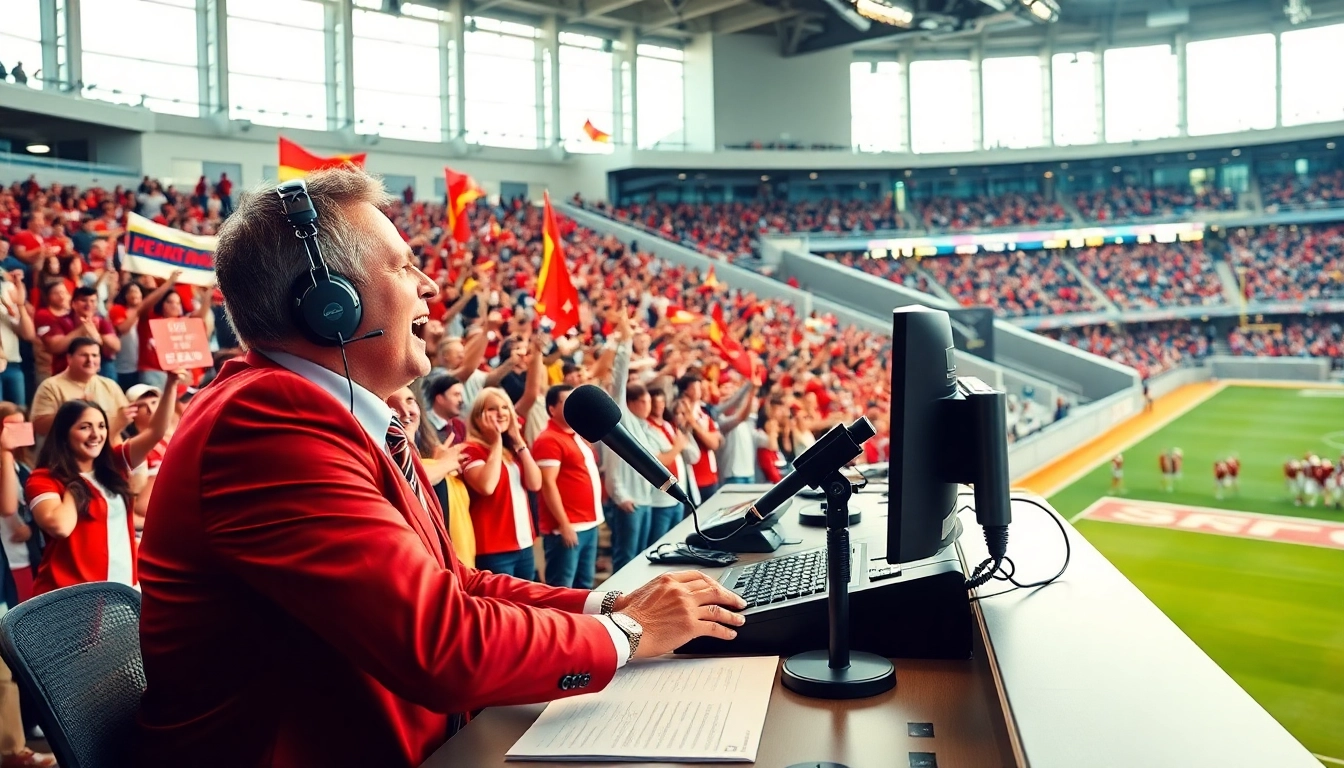
Introduction to Sports Broadcasting
Sports broadcasting is an essential component of the modern sports landscape, providing fans with live coverage, commentary, and analysis. This sector has witnessed tremendous growth over the years, driven by advancements in technology and changing viewer behaviors. Understanding the nuances of Sports Broadcasting is crucial for anyone looking to engage with this field, whether as a broadcaster, a content creator, or a passionate fan.
Understanding Sports Broadcasting Concepts
At its core, sports broadcasting involves the transmission of live sporting events to various audiences through television, radio, and online platforms. This includes play-by-play commentary, pre-game and post-game analysis, interviews with players and coaches, and interactive fan participation. The primary objective is to create an immersive viewer experience, making it essential for broadcasters to develop deep knowledge of the sport, the players, and the stakes involved.
The Role of Technology in Sports Broadcasting
The evolution of technology has revolutionized sports broadcasting. High-definition cameras, drones for aerial views, and advanced graphics have enhanced the viewing experience dramatically. Moreover, the rise of streaming services has allowed fans to watch events anytime, anywhere, breaking geographical barriers. Adopting technologies like augmented reality (AR) and virtual reality (VR) is becoming commonplace, aiming to provide more engaging experiences. Broadcasters must stay updated with these advancements to remain competitive and enhance their offerings.
Historical Evolution of Sports Broadcasting
The history of sports broadcasting can be traced back to the early 20th century. Initial broadcasts were radio transmissions, with the first baseball game aired in 1921. Television broadcasts began in the 1930s and expanded rapidly in the subsequent decades. Innovations such as instant replay introduced in the 1960s revolutionized viewer engagement. As the industry evolved, the 21st century brought about significant changes, including the rise of digital platforms and the social media influence, which continues to shape viewer experiences today.
Key Skills Every Sports Broadcaster Should Develop
Verbal Communication Techniques
Effective communication is at the heart of sports broadcasting. Broadcasters must articulate their thoughts clearly and confidently, using appropriate terminology while remaining accessible to a broad audience. Training in voice modulation, pacing, and clarity can significantly enhance communication skills. It is also essential to develop a unique style that resonates with viewers and sets a broadcaster apart from their peers.
Research and Storytelling in Sports Broadcasting
Storytelling is a powerful tool in sports broadcasting. A successful broadcaster must be adept at researching players, teams, and historical contexts to weave engaging narratives during broadcasts. Research involves delving into player statistics, team dynamics, and even personal stories that add depth to the coverage. Creating relatable and emotional stories can captivate audiences and foster a stronger connection to the sport.
Body Language and On-Camera Presence
Non-verbal communication plays a significant role in broadcasting. A broadcaster’s body language—posture, gestures, and facial expressions—conveys confidence and credibility. Practicing on-camera presence is crucial; broadcasters should be aware of how they appear on screen, utilizing eye contact and movements to engage effectively with their audience. Through practice and feedback, a broadcaster can refine their presentation skills, improving their overall impact during broadcasts.
Best Practices for Engaging Audiences
Creating Compelling Commentary
Compelling commentary is vital for keeping audiences engaged during broadcasts. Broadcasters should balance detailed analysis and energetic delivery to maintain viewer interest. Utilizing anecdotes, humor, and engaging trivia can enhance commentary quality. Tailoring the style to the target audience, whether casual fans or serious analysts, will ensure that the commentary resonates and captures attention.
Utilizing Social Media for Broader Reach
In today’s digital age, social media serves as an integral tool for broadcasters. Engaging with fans through platforms like Twitter, Instagram, and TikTok can amplify reach and foster community. Sharing behind-the-scenes content, conducting live Q&As, and responding to fan interactions can build rapport and enhance viewer loyalty. Navigating the digital landscape effectively allows broadcasters to extend their reach beyond traditional means and engage with younger, tech-savvy audiences.
Feedback and Adaptation Strategies
Feedback is essential for any broadcaster’s growth. Actively seeking and embracing constructive criticism from peers and viewers can lead to meaningful improvements. Additionally, staying adaptable to changes in viewer preferences and industry trends is crucial for maintaining relevancy. Broadcasters should regularly evaluate their performance, using metrics and audience response to refine their approach continuously.
Advanced Techniques in Sports Broadcasting
Incorporating Data and Analytics
Data analytics has emerged as a game-changer in sports broadcasting. Broadcasters increasingly utilize statistics to provide deeper insights during broadcasts. By interpreting data trends—like player performance metrics and historical comparisons—broadcasters can offer expert analysis that enriches viewer understanding. Familiarity with data tools and visualization techniques is critical for effectively integrating analytics into commentary, making broadcasts more enriching and informative.
Live Broadcasting Challenges and Solutions
Live broadcasting is fraught with challenges, from technical glitches to unforeseen events during a game. Broadcasters must remain composed and resourceful in handling interruptions or unexpected situations. Developing contingency plans, such as backup systems for failing technology, and preparing for diverse scenarios can mitigate risks. Furthermore, rehearsing crisis communication scenarios enables broadcasters to adapt quickly and maintain professionalism during live events.
Future Trends in Sports Broadcasting
The future of sports broadcasting is poised for exciting changes. Trends such as eSports broadcasting are gaining momentum, engaging younger audiences who may not connect as strongly with traditional sports. Furthermore, the integration of artificial intelligence (AI) can enhance viewing experiences, offering personalized content delivery based on viewer preferences. Staying ahead of these trends is essential for broadcasters to ensure their content remains engaging and relevant in a rapidly evolving landscape.
FAQs about Sports Broadcasting
What is Sports Broadcasting?
Sports broadcasting refers to the live or recorded transmission of sporting events, including commentary, analysis, and interviews, across various media platforms.
How do I become a sports broadcaster?
To become a sports broadcaster, one typically needs a degree in journalism or communications, along with experience in writing, presenting, and knowledge of various sports.
What technologies are used in sports broadcasting?
Technologies like high-definition cameras, drones, augmented reality, and data analytics tools are commonly used to enhance the sports broadcasting experience for viewers.
How important is audience engagement in sports broadcasting?
Audience engagement is crucial as it affects viewer retention, encourages interactive participation, and strengthens the broadcaster’s connection with fans, leading to higher viewership.
What are the career prospects in sports broadcasting?
Career prospects in sports broadcasting are promising, with opportunities in television, radio, online platforms, and specialized sports networks, growth in eSports, and digital content.